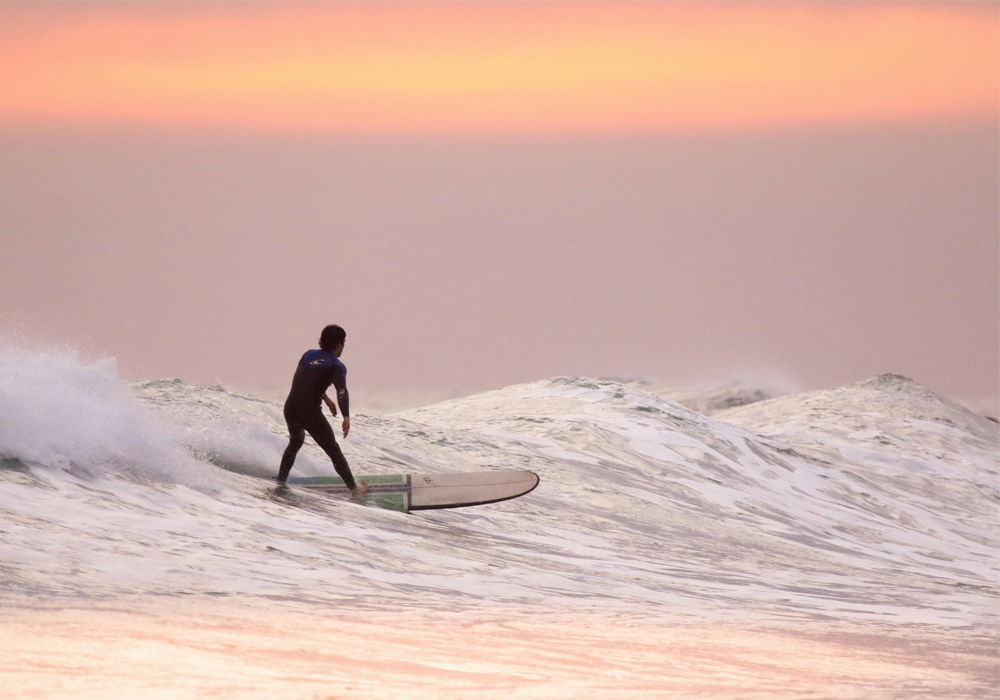
Bali Surf Hazards. The allure of surfing in Bali is strong, but beginner surfers must be acutely aware of the various weather and surf condition hazards that the tropical environment and powerful Indian Ocean can present.
A successful and safe beginner surf journey in Bali relies on humility and preparation. Always surf within your limits, never paddle out alone, take a lesson from a reputable local surf school to learn essential safety and etiquette, and maintain constant vigilance regarding the changing nature of the ocean and the tropical weather.
Bali Surf Hazards – Rips and Currents
A primary concern is the danger posed by rips and currents, which are strong channels of water moving quickly away from the shore. These can rapidly drag an inexperienced surfer into deeper water or out to sea, leading to exhaustion and panic. To mitigate this risk, beginners should always study the ocean for signs of rips—often calmer, darker patches where waves aren’t breaking—and if caught, the most critical advice is to remain calm, conserve energy, and paddle parallel to the shore until you are out of the current’s pull before attempting to paddle back in.
Changing Weather and Tide Conditions
Another significant challenge is the rapid transition caused by changing weather conditions and changing tide conditions. Tides in Bali can dramatically alter a surf break; what was a safe, gentle wave at mid-tide might become an aggressive, shallow reef break at low tide, or a fast-moving, closed-out break at high tide. Similarly, unexpected shifts in wind or swell can transform manageable waves into large, overwhelming sets. Beginners should make it a non-negotiable rule to check a reliable local surf report and tide chart before heading out, and always allow time to observe the waves from the beach for at least 15-30 minutes to understand the conditions before paddling out.
Dumping Shore Breaks
Surf spot characteristics also present specific dangers, notably dumping shore breaks. These powerful waves break directly onto the shallow beach with little or no water underneath, posing a high risk of serious injury, particularly to the neck, back, and shoulders. Beginner surfers should actively seek out well-known, beginner-friendly beaches like Kuta or Legian, which typically feature gentler, sandy-bottom beach breaks, and strictly avoid spots known for shallow reefs or heavy shore breaks, especially during high tide.
Sun and Heat
Beyond the water, the tropical elements bring their own set of hazards. The intense equatorial sun and heat are major threats, causing rapid dehydration and severe sunburn. To combat this, always wear high-SPF, reef-safe, water-resistant sunscreen, reapply frequently, wear a rash guard (preferably long-sleeved), and a surf hat. Crucially, bring and drink plenty of water before, during, and after your session to maintain hydration.
Rain and Lighning
Conversely, the tropical environment also means sudden rain and lightning. While light rain is often fine, heavy storms and visible lightning are an immediate sign to exit the water, as being the highest point on the water with a fiberglass board is extremely dangerous.
Wind and Windblow Sand
Finally, wind and windblown sand can affect both the surfing experience and comfort. Strong onshore winds make waves choppy and difficult to ride, while strong offshore winds can increase the speed of the wave face. Beginner surfers should aim for early morning sessions when the wind is generally calmer and less disruptive, and be sure to protect their eyes and gear from windblown sand on the beach.